Ivan Kovach – A Life of Promise, Love, and the Illusion of Safety
On an ordinary morning in Prague, Ivan Kovach, a young lawyer set out for work, just as he had done countless times before. He had a postion in the Czech parliament, a promising future, a wife he adored, and a small son waiting for him at home.
It was 1948. The Second World War was over. Czechoslovakia was at peace.
Yes, Soviet power was tightening its grip across Eastern Europe, but Ivan could not imagine it happening here. Not in his homeland, a democratic, cultured country so deeply rooted in European tradition. No! The Soviets would never take Czechoslovakia! He believed he was safe.
He was wrong.
That morning, the iron hand of Soviet power came for him.
He was arrested on the street. Without warning. Without charge. Without explanation.
And thrown into prison. Within days he was handed over to the Soviet secret police and swept into the vast network of gulag prison camps in Siberia.
He was not alone.
The Ivan Kovach Gulag Story
Ivan Kovach’s life is at the heart of Love and Redemption, a novel based on true events and personal memoir. But long before the love story that unfolds in the Siberian prison camp in Vorkuta, before his arrest, the interrogations, the torture. There was another life, a life he built, and a world he believed would endure.
This is the story of that life, and how it was lost.
Young and on the Rise – Prague – 1935
In the mid-1930s, Ivan Kovach was a young Czechoslovak lawyer with a promising future. He hailed from Carpathian Ruthenia, a province of Czechoslovakia. His mother was Hungarian. His father was superintendent of schools.
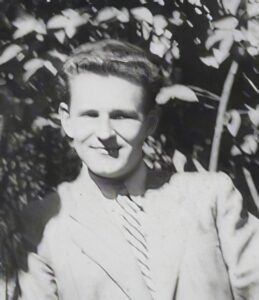
In Prague, Ivan was already making his mark. He worked for the parliamentary representative of the province of Carpathian Ruthenia, an aging figure nearing retirement. Ivan wrote his speeches, conducted his research, and quietly positioned himself as his natural successor. Young, intelligent, quick-witted, and with a keen sense of humor, Ivan was widely liked.
Life was good. The future seemed certain.
The Munich Betrayal -1938
https://www.bbc.co.uk/bitesize/guides/z92hw6f/revision/4
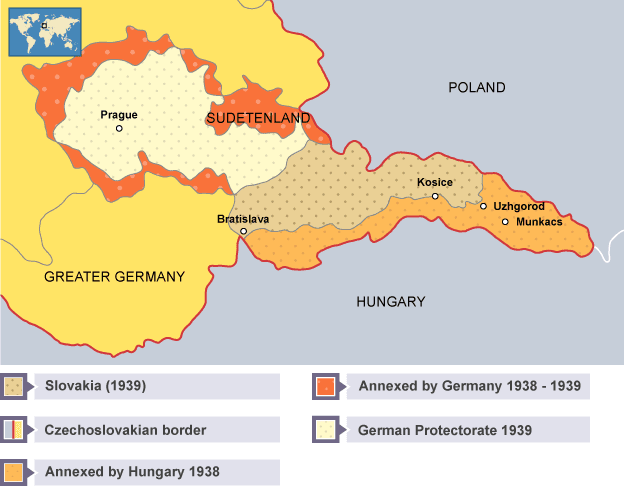
While Ivan was planning his future in the democratic Czech parliament, Hitler was eyeing Czechoslovakia. Many ethnic Germans lived in the Sudetenland, a mountainous Czech borderland area next to Germany. In 1938, Germany began an undeclared war on Czechoslovakia, backed by much of the Sudeten German population. Fearing another world war on the continent, Britain, France, and Italy, met with Hitler and Mussolini in Munich and signed an agreement to allow Nazi Germany to annex the Sudetenland.
Gradually, Czechoslovakia also ceded territories to Poland and Hungary. The democratic Czech Republic collapsed, and with it, the parliament. Ivan’s political future vanished overnight.
When the World Falls Apart – Hungary – 1940.
Ivan may have lost his job and his dreams of a brilliant career, but he wasn’t about to let the grass grow under his feet. Czechoslovakia was now under Nazi occupation, and Ivan was not in sympathy with any totalitarian movements. How could he stay under the Nazi radar, escape the chaos, and still eat?
Fortunately, Hungary was looking to make good Hungarians out of the young people in the newly ceded land of Carpathian Ruthenia, Ivan’s home. As encouragement, they offered scholarships. This was a windfall for Ivan. His mother, being Hungarian, had made sure he was fluent in the language. He already had a law degree. Why not go to graduate school and get a PhD?
Success! Both Academic and Romantic. A PHD and A Wife! – 1943
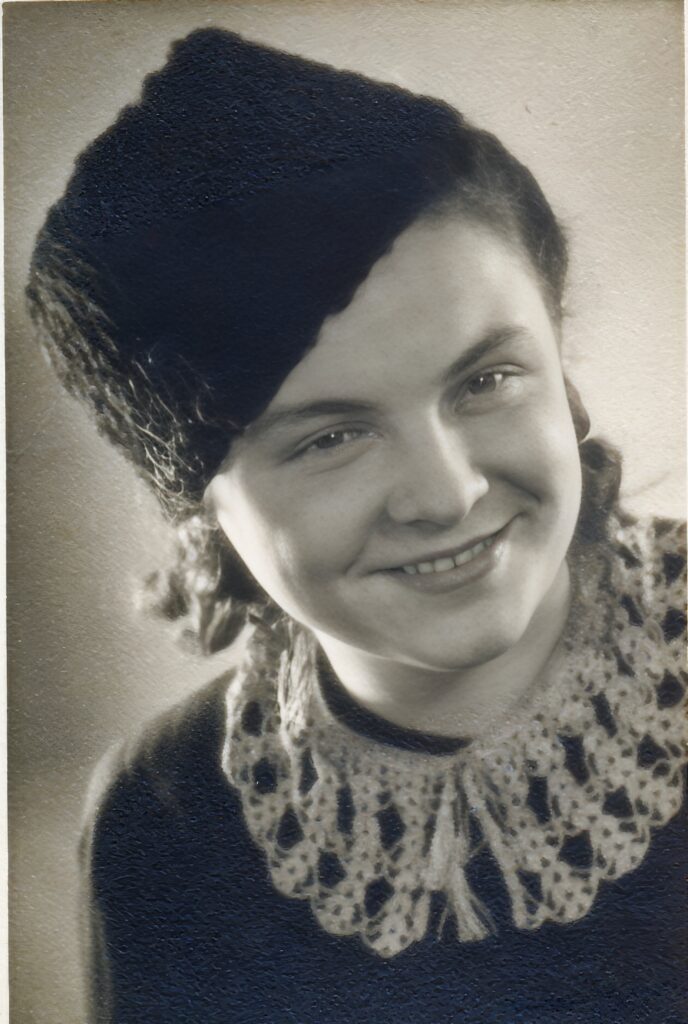
Helen Gersdorff also took advantage of the new Hungarian scholarships. Her family had barely escaped the Bolsheviks during the Russian Revolution in 1920. She grew up in exile in Yugoslavia, which had now also become part of Hungary. With five people in the family to feed and clothe, finances were tight. Helen, or Galya as she was known to her family and friends, jumped at the chance to give her family one less mouth to feed.
A scholarship to the university in Hungary was also an opportunity to see a bit of the world. Galya was an energetic young woman with a lively sense of humor. Unfortunately, she didn’t speak a word of Hungarian.
Enter Ivan. They hit it off right away. He liked her spirit and humor. She fell in love with him because, she said, “He was handsome, intelligent, amusing, spoke perfect Russian, loved me, and could teach me enough Hungarian to get my degree.”
Hungarian was difficult, even for someone like Galya, who had a facility for languages. Since she was studying for a degree in law, Ivan was the perfect mentor. Study dates gradually became romantic dates, and they married in May of 1943.
The War Finds Ivan – 1944
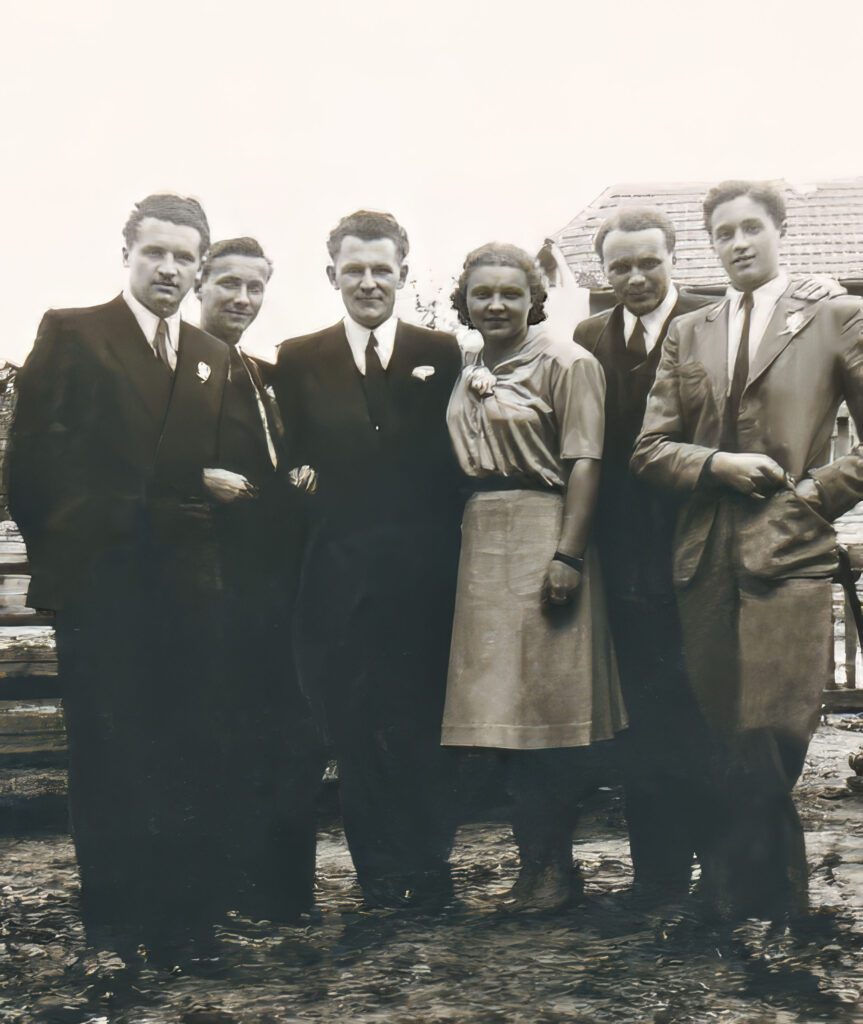
He also worked, briefly, for Raoul Wallenberg who was fighting to save the remaining Hungarian Jews from the Nazis during the long Battle of Budapest.
Ivan’s Crazy Wife.
Galya wasn’t one to let a war keep her from her new husband. She followed Ivan’s regiment all over the chaotic, war-torn Eastern Front. Ivan’s comrades laughed and affectionately called her “Ivan’s crazy wife.” Because of her wifely passion to be part of his life, their son George was conceived somewhere on the Eastern Front.
After Galya’s pregnancy became obvious, she gave up her career as a “camp follower” and went back to her mother-in-law’s house in Carpathian Slovakia to give birth.
She didn’t stay long before deciding to take off again to find Ivan and show him his fine new son. “A family should be together!” she declared to her horrified mother-in-law.
Carrying her three-month-old son, and a rucksack stuffed with diapers, she set out to find Ivan.
After a series of hair-raising adventures, and no small amount of luck, Galya walked into Ivan’s office on the now Russian Front and announced, “Ivan Kovach! Meet your son!”
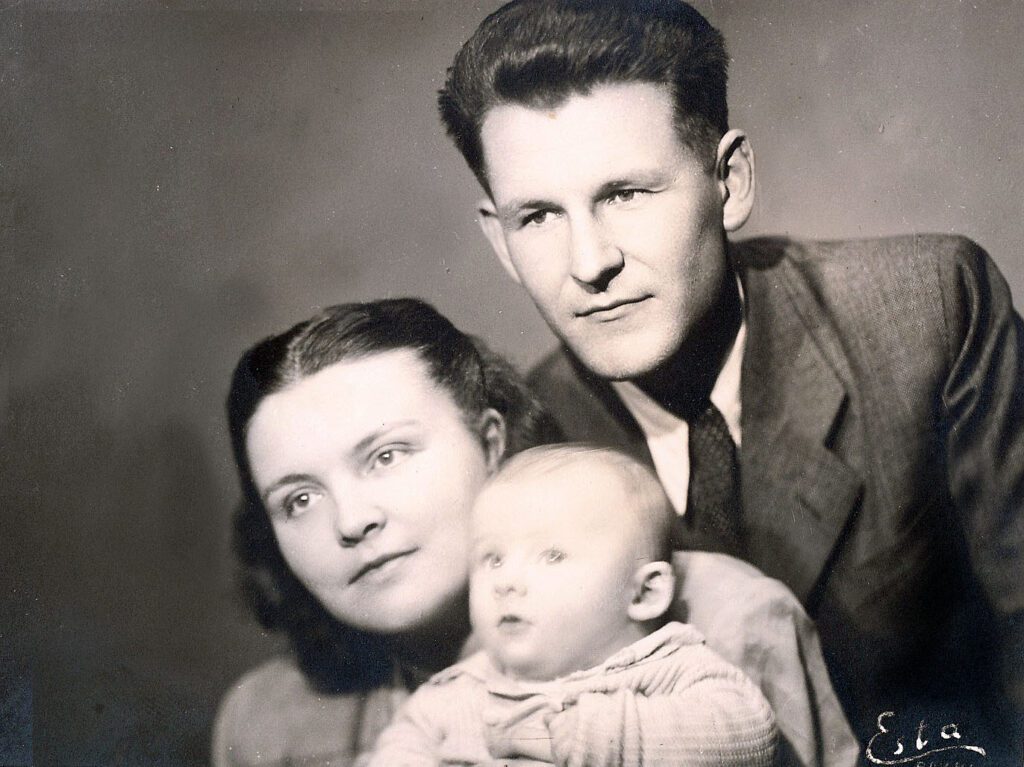
Ivan was flabbergasted. He thought Galya was 500 miles to the east. He hadn’t even known his child had been born. He wrapped both wife and son in his arms and laughed. “My crazy wife. She travels through four battlegrounds to present me with a son!”
Red Cross to the Rescue
Ivan had always been a personable guy who knew how to deal with people. His various assignments and adventures during the war had also taught him how to get things done under difficult circumstances.
When the war ended, Ivan was chosen to head the Red Cross in Prague. This was the perfect job. Europe was starving in 1946 and 1947, and the Red Cross distributed food and medicine from the Americans.
Ivan and Galya’s place always had food, and consequently was always crowded with friends and family. Anyone passing through Prague who knew them could count on a place to stay and a good dinner.
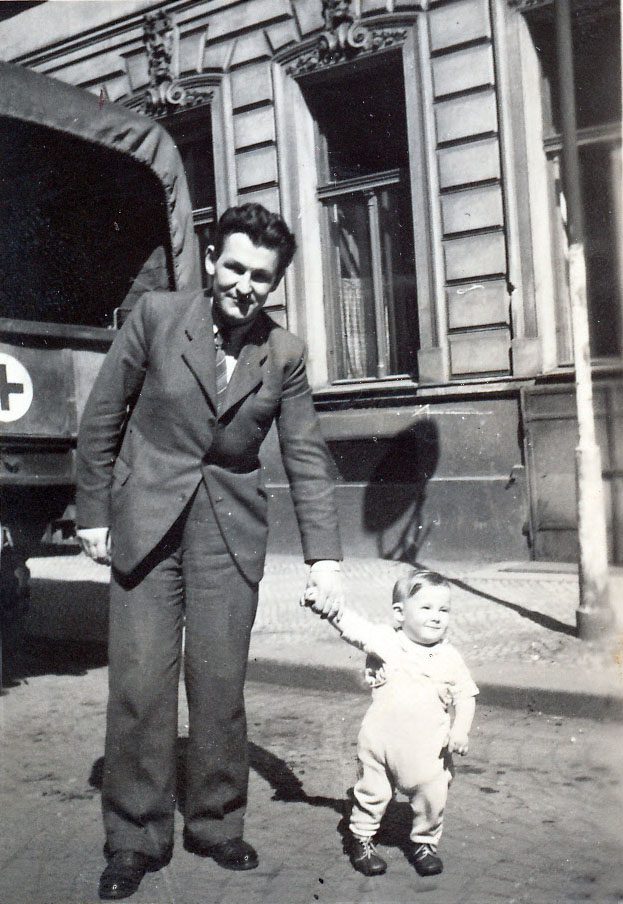
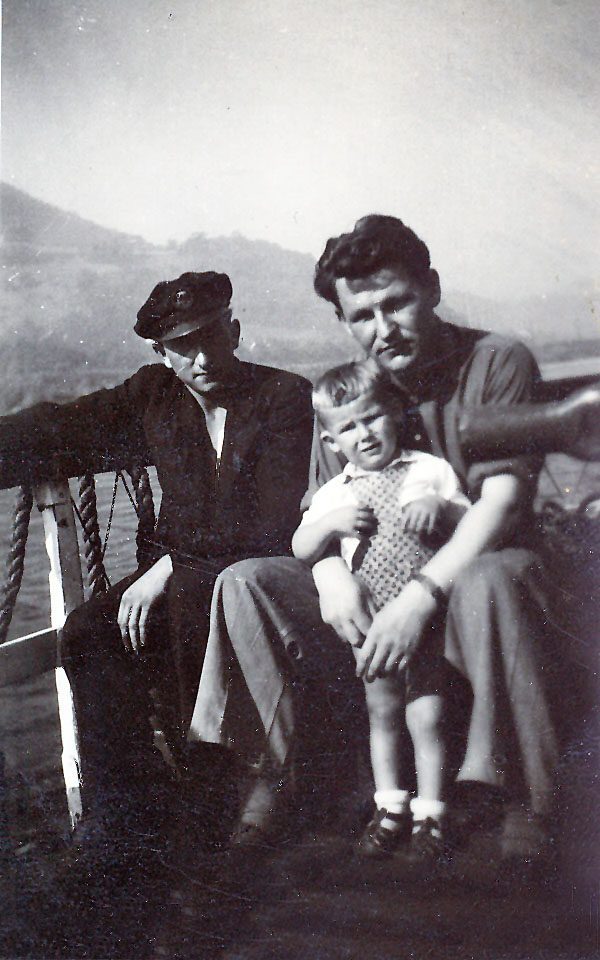
It was also a relatively peaceful period during which Ivan could spend some time getting to know his little son, George. Here they are by the Red Cross truck in Prague and on an afternoon with a boating friend.
What God Hath Joined Together, the Soviets Tear Asunder – 1948
Stalin took over most Eastern European countries after the end of the war but allowed Czechoslovakia to have a certain amount of freedom and a mixed party government.
Communism gained popularity. After all, the Soviet Red Army had been the liberators of Czechoslovakia from the Germans. The Soviets made the usual empty but tempting promises: seizing the means of production and transferring it to the people, redistribution of wealth, good wages for the working class, a higher standard of living, equality, and job security.
In 1946 the Communist Party won 38% of the vote. Gradually, they had edged their way into key positions in government bureaucracies: The Ministry of Internal Affairs, police and law enforcement, surveillance, economic control, prisons and labor camps, repression of dissidents, etc.
He Should have Listened to His Wife.
Without Warning, History Comes for Ivan – November 1948
One morning, as Ivan walked through the streets of Prague on his way to his office in the Czech parliament, two men stepped in beside him.
“Are you Ivan Kovach?”
He didn’t know them, but as they crowded close to him he understood, instantly, that life as he knew it was over. Galya was right. He had been a fool to ignore her warning, to imagine history would not repeat itself in his lifetime. To imagine that Czechoslovakia had a future. That he had a future.
They arrested him right there, on the street. He was never told his crime. Which wasn’t a surprise since he’d committed no crime. Except, of course, the belief that his country should be a free democracy.
He was given no trial. Though he was a Czech citizen, he was handed over to the Soviet secret police, the NKVD, an act that was in itself illegal. What did it matter? Ivan the lawyer knew that laws under the new Soviet state would no longer serve justice.
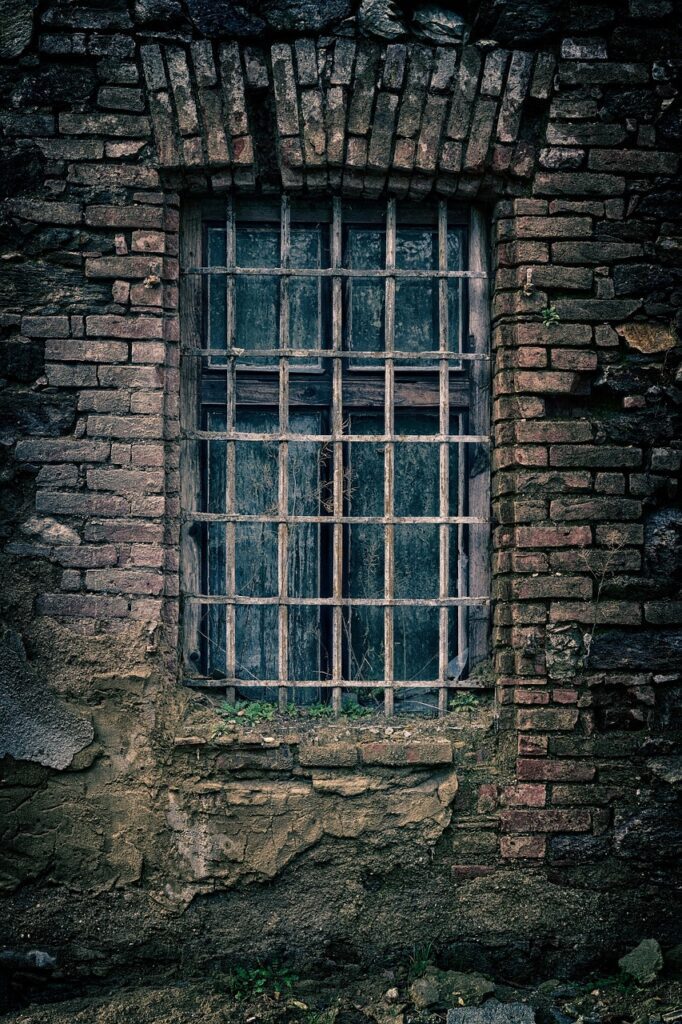
Ivan had descended into a world without rules. Moved from prison to prison. Interrogated. Pressured. At times, tortured. All to force a confession of something he was never charged with. He had no defense. There was no end in sight.
And always, just beyond reach, Galya followed him across the country with their young son, George, in her arms. Seeking out officials. Pleading with anyone who would listen. Refusing to disappear quietly into the machinery that had taken her husband.
From prison to prison she went. For a time, her persistence brought her close enough for brief contact, a word, a glimpse, and the knowledge that he was still alive.
Until, at last, the journey ended.
Ivan learned he was to be transported to Siberia.
The Final Farewell
Imagine the scene, if you will.
A prison room. Bare. Cold. Dirty.
Galya stood before him, fighting back tears, their three-year-old son in her arms. The little boy she had once carried across battlefields to find his father was too young to understand that he was about to lose him. That they would never again laugh together, play together. He held out the little toy truck Galya had bought for him, offering it as a gift for Papa. A gift that Papa was forbidden to accept.
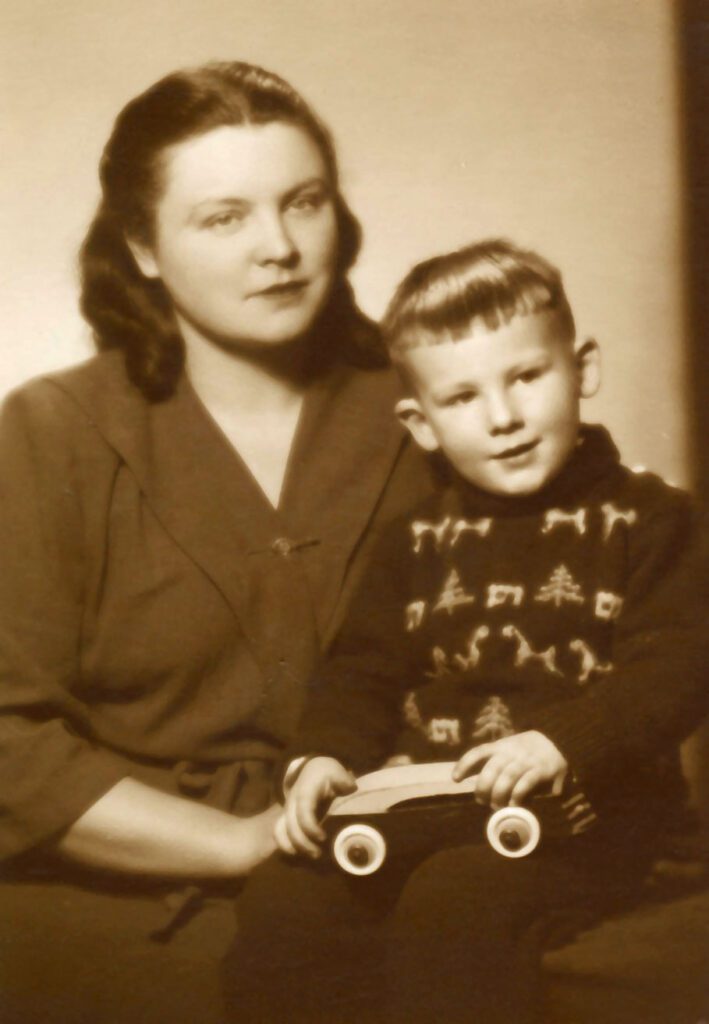
Ivan did not speak of hope at this eleventh hour. He spoke of survival.
Galya must divorce him. As the wife of an “enemy of the people,” she would be in danger. Arrest was inevitable. Their son would be taken from her and sent to an orphanage. To protect their child she must sever the tie, make it clear to the Soviet authorities that she did not support her husband’s political views. If she was lucky, it would buy her some time.
Time to escape. However she could manage it. Whatever it took. She must be brave once again.
Heartbroken, Galya agreed to it all.
What passed between them in that moment, all the things felt but not said, hung in the dusty air of that silent prison cell.
Then he was gone.
Sent east. To Siberia. To Vorkuta.
To a frozen world where, against all reason, he would one day meet Celia.
From History to Story
Ivan Kovach’s story did not end in Vorkuta.
It continued , against all odds, in a place where hope should not have survived.
There, in the frozen expanse of Siberia, he met a woman named Celia Klein.
Their story of suffering, resilience, and unexpected love is at the heart of Love and Redemption, a novel based on true events and personal memoir.
Ivan was not a fictional creation.
He was real. He was George Kovach’s father.
Amd the life you have just read – the life of promise, love, and loss – is drawn from the stories he told his son, and from his own written account of surviving the Soviet gulag.
Love and Redemption for Two Tortured Souls
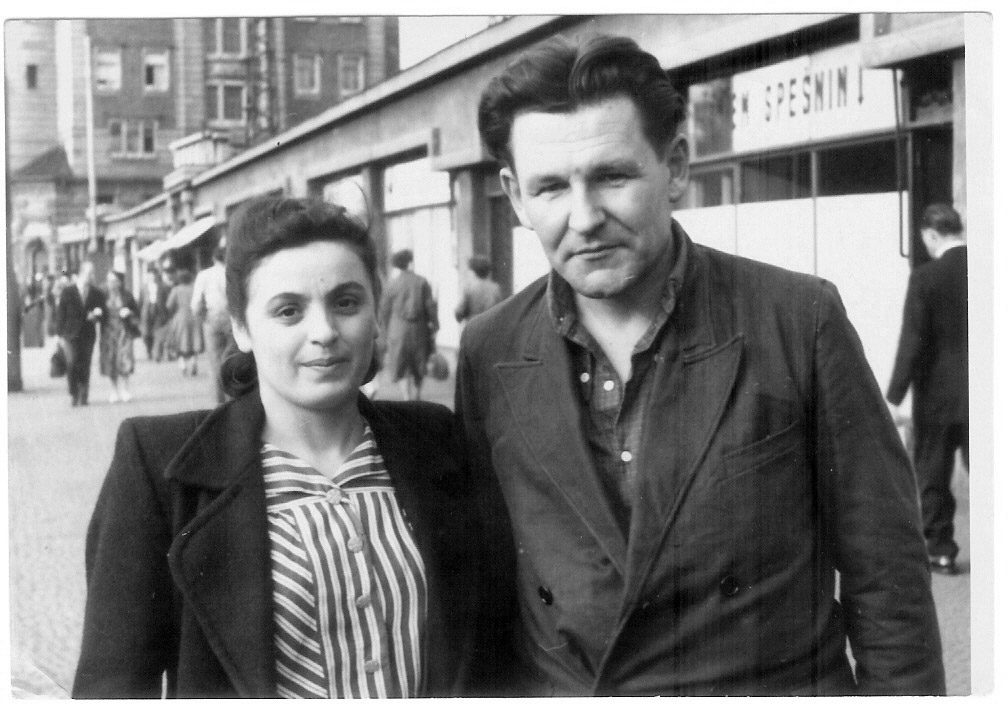
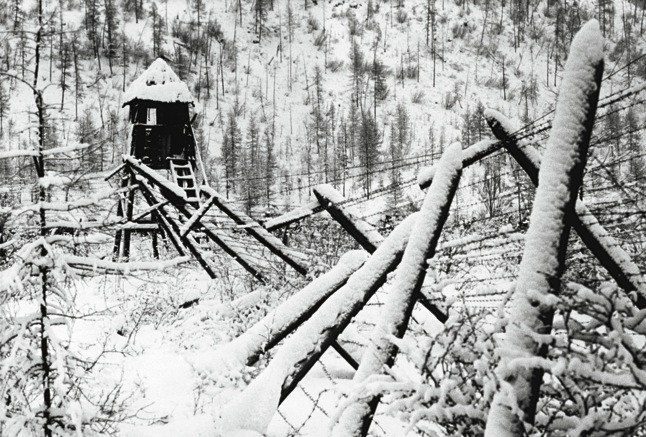
Ivan met Celia Klein, the heroine of Love and Redemption, in one of the worst camps of the Soviet gulag system – Vorkuta, Siberia – a hellish place one hundred miles above the Arctic Circle. it was the most unlikely place for romance to flourish. And yet, Ivan and Celia, tortured in body and soul, fell in love in this frozen hell.
Vorkuta Soviet Concentration Camp, Siberia – 1953
“Ivan Kovach had blown into Vorkuta like a whirlwind from the steppes of Central Asia, and all the emotions I had worked to control during the last eight years rushed in with him. Joy. Hope. Excitement. Happiness. Humor. Attraction. Love.” (Celia. Love and Redemption.)
Thus begins the engaging, and true, love story of two people condemned by fate to suffer under the two most vicious regimes of the twentieth century – Nazi Germany and Stalin’s Soviet Union.
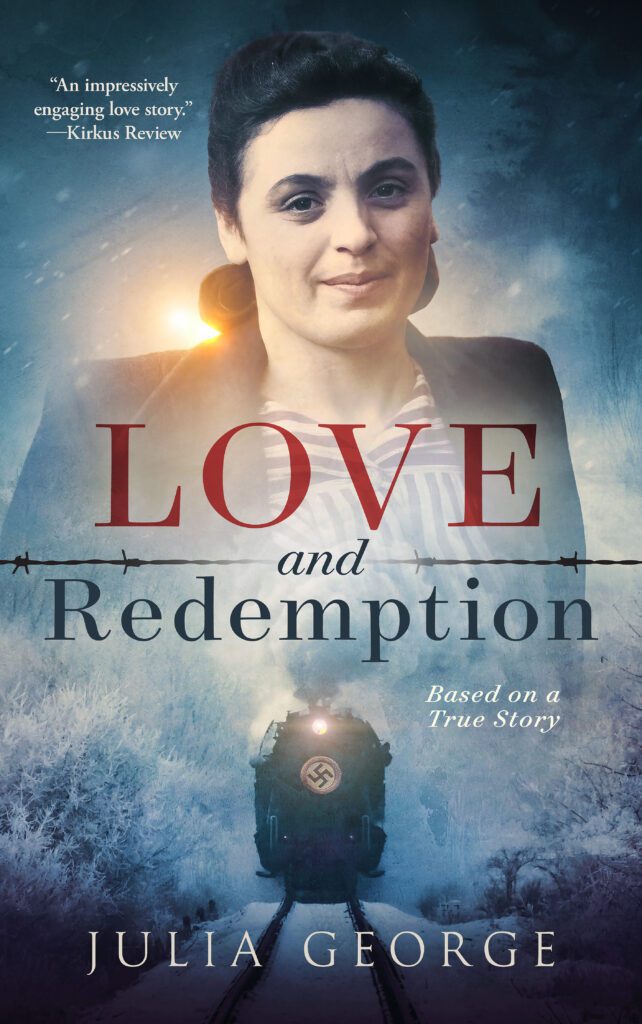
Kirkus Reviews called Love and Redemption “An impressively engaging love story.”
If you would like to continue Ivan and Celia’s story, Love and Redemption is available on Amazon.
https://www.amazon.com/Love-Redemption-Julia-George/dp/B0FTGHG6Z1
And if their journey moves you, a review helps other readers discover it.